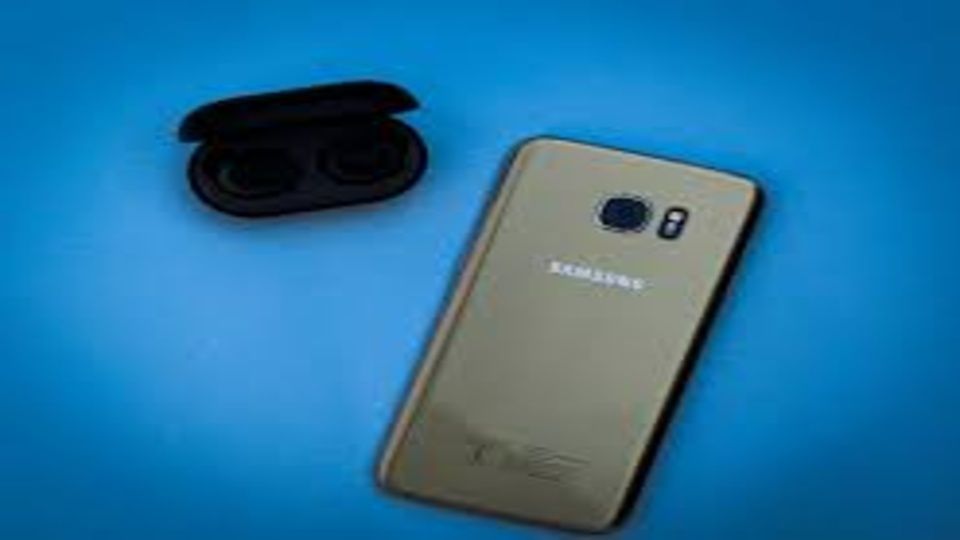
In a major setback, Samsung has recently been ordered to pay USD 445.5 million. This statement has been made after losing a very important wireless communications case in the United States. A federal and formal U.S. jury verdict against Samsung has found that the company had violated multiple wireless technology patents that were held by a smaller tech firm.
The lawsuit, which was centred around the wireless patent infringement, with the plaintiff who had been accusing Samsung of using its patented technologies. This has been the case with several of the company’s smartphones and communication systems without proper authorisation.
After a very lengthy court battle, the U.S. court has also ruled against Samsung, concluding that the South Korean tech giant has violated the patent rights related to data transmission and network connectivity.
The jury’s decision led to a USD Do5.5 million fine, which has indeed marked one of the largest patent-related penalties that Samsung ve faced in recent years.
In response to the verdict, Samsung have also now stated that it disagrees with any plans to appeal the decision. The company continues to maintain that it develops its own technologies and always respects the intellectual property of others.
A spokesperson has currently added to that saying Samsung would “review all legal options” to challenge the outcome of the Samsung patent lawsuit.
Recent industry experts also say that this verdict could have much broader implications in the future wireless communications innovations and even at the licensing practices, that too, especially for the companies that are currently developing 5G and next-generation connectivity technologies.
This case has been the one that adds to Samsung’s long history of legal battles, tha too, over patents in the U.S. and other countries. The company has also previously faced disputes with Apple and several technology licensors, though they were eventually settled or overturned if put on appeal.
Legal analysts have also noted that such patent cases are common in the fast-moving world of mobile and wireless technology, where companies invest heavily in R&D and compete to protect their innovations.